
Top Accredited Online Nutrition Schools for Maximum ROI and Career Growth in USA, UK, Top Online Nutrition Schools – Accredited Programs for Career Growth in USA, UK, Canada & Australia
Nutrition is a cornerstone of overall health and well-being in today’s fast-paced world. With more people becoming health-conscious and aware of wellness, pursuing a career in nutrition can be highly rewarding. However, choosing the right institution is essential to gain the necessary knowledge, achieve professional success, and ensure a strong return on investment (ROI).
Fortunately, many accredited online nutrition schools offer flexible, comprehensive programs that cater to students in the USA, UK, Canada, and Australia. These programs provide in-depth instruction on nutrition, dietetics, food science, and wellness. Moreover, the flexibility of online education allows students to access these programs from anywhere, making them ideal for full-time professionals and career changers alike. Explore accredited online nutrition programs here
“Top Accredited Online Nutrition Schools: Expert Insights on What Constitutes a Healthy Diet”
Maintaining optimal health, preventing illnesses, and enhancing quality of life depend on a nutritious diet. Online nutrition programs worldwide emphasize understanding the fundamentals of a healthy diet. Students learn how to design balanced and nutritious meal plans considering the needs of diverse populations.
From macronutrients (proteins, carbohydrates, fats) to micronutrients (vitamins, minerals), students gain critical insight into how food affects the human body. Programs also cover the importance of hydration, fiber, and the role of different food groups in overall health.
Nutrition experts stress personalized diets, as one-size-fits-all solutions often fail. Genetic, environmental, and lifestyle factors mean what works for one individual may not work for another. Students are trained to create customized diet plans based on unique needs, preferences, and health goals.
These programs also explore popular dietary trends, including plant-based diets, ketogenic diets, low-carb diets, and intermittent fasting. Students learn to critically evaluate trends and apply evidence-based practices in their work.
Key Tip: Stay updated with the latest dietary guidelines and research, as nutrition science is continually evolving. Check detailed online nutrition programs here
Rethinking Cancer – Essential Insights for Nutrition Professionals.
Rethinking Cancer is an invaluable resource for students and professionals in the nutrition and healthcare fields. Authored by renowned experts, the book explores the relationship between diet and cancer, highlighting how certain nutritional choices can influence cancer prevention, management, and recovery.
Students in online nutrition programs can gain insights into oncology nutrition, including how specific foods and nutrients support immune function, reduce inflammation, and aid recovery. They also learn to create nutrition plans for individuals undergoing cancer treatment, ensuring patients maintain energy and strength.
Key Takeaway: Learning from resources like Rethinking Cancer can broaden knowledge and enhance career prospects in general or oncology nutrition. Learn more about the book here.
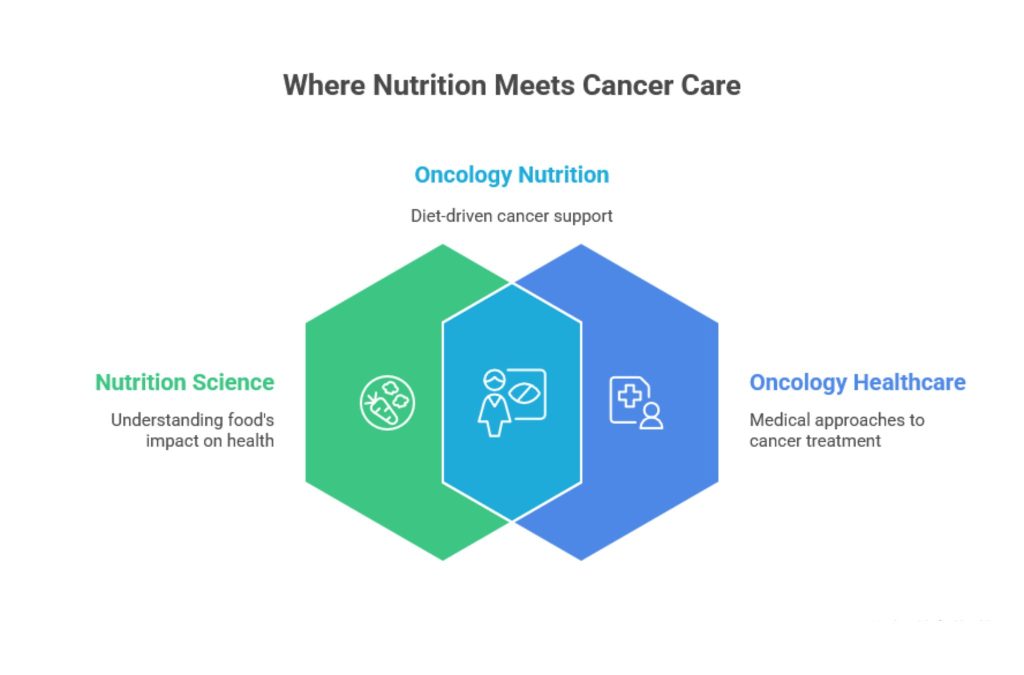
Rethinking Cancer DVD – Multimedia Learning Resource
The Rethinking Cancer DVD complements the book, offering in-depth interviews, case studies, and discussions with leading nutritionists and oncologists. It helps students visualize the connection between diet and cancer, deepening understanding beyond textbooks.
Students focusing on oncology nutrition will find this DVD particularly useful. It provides real-world examples of how nutrition has supported cancer recovery.
Key Result: Incorporating multimedia resources like the DVD can boost expertise and career opportunities in niche fields. View the DVD details here.
Understanding Food Labels – What They Really Mean for Healthy Choices and ROI in Nutrition Careers
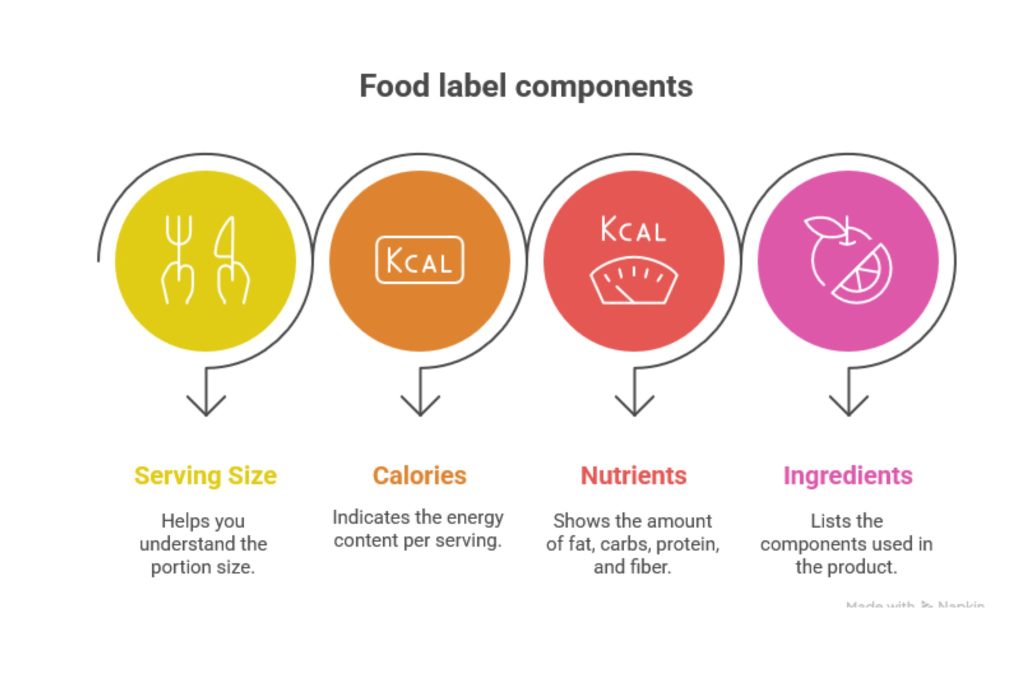
Among the most valuable abilities nutrition students and professionals may develop is knowledge of food labels. Food labels offer a wealth of knowledge on the nutritional value of goods; hence being able to understand them can help nutritionists to create improved dietary advice.
Students are taught in an online nutrition program how to examine food labels critically, grasp all from serving sizes to ingredients list, nutrition facts, and possible allergies. Learning how to correctly read these subtleties allows nutritionists to assist customers in making wise food choices.
Key insight: In the market, nutrition experts who can simply clarify food labels for their patients will be ahead. Tier One markets, where health-conscious consumers are searching more and more for direction, place great value on this skill.
Table: Key Information Found on Food Labels
| Label Information | What It Tells You |
| Serving Size | Helps you understand the portion size |
| Calories | Indicates the energy content per serving |
| Nutrients | Shows the amount of fat, carbs, protein, and fiber |
| Ingredients | Lists the components used in the product |
Key Tip: Make sure to check serving sizes before recommending food products to clients. Understanding these nuances will improve your professional reputation.
Why Eat Organic? – Insights by the Organic Consumers Association
The Organic Consumers Association highlights the benefits of organic foods for health and the environment. Organic foods are grown without synthetic pesticides, fertilizers, or GMOs, making them a healthier option.
Online nutrition courses teach students to educate clients on choosing organic produce, particularly high-pesticide items like strawberries, apples, and spinach.
Key Takeaway: Supporting organic food aligns with growing health-conscious and sustainable trends. Explore nutrition programs here
Organic Food Benefits – Expert Guidance for Students, Professionals, and Tier One Markets
Organic meals are sometimes lauded for their better nutritional value, which includes more antioxidants, vitamins, and minerals. Compared to traditional choices, organic produce is less likely to carry antibiotic-resistant bacteria and is proven to have less pesticide residues.
For nutrition students, these benefits are essential to understand as they underpin developing dietary suggestions stressing sustainability and health. Highly desired in Tier One markets including the United States, the United Kingdom, Canada, and Australia are those graduates from online nutrition schools armed with this information.
Key Insight: Particularly in high-demand areas, nutritionists with organic food expertise can present themselves as reliable advisors. Discover more organic food advantages here → [Insert Program Link]
To Buy or Not to Buy Organic? – Practical Tips and Checklist for Informed Nutrition Decisions
Deciding whether to buy organic food is a common challenge for many consumers, especially when factoring in cost. Organic products are often priced higher than conventional alternatives, but the health benefits, environmental impact, and reduced exposure to pesticides can make them worth the investment. For nutrition students and professionals, understanding how to guide clients in making informed choices is crucial.
Online nutrition programs train students to analyze the cost-benefit balance of organic foods. This includes assessing the nutritional value, potential pesticide exposure, and environmental sustainability of different food options. By teaching clients to prioritize wisely, nutritionists can help them achieve both health and budget goals.
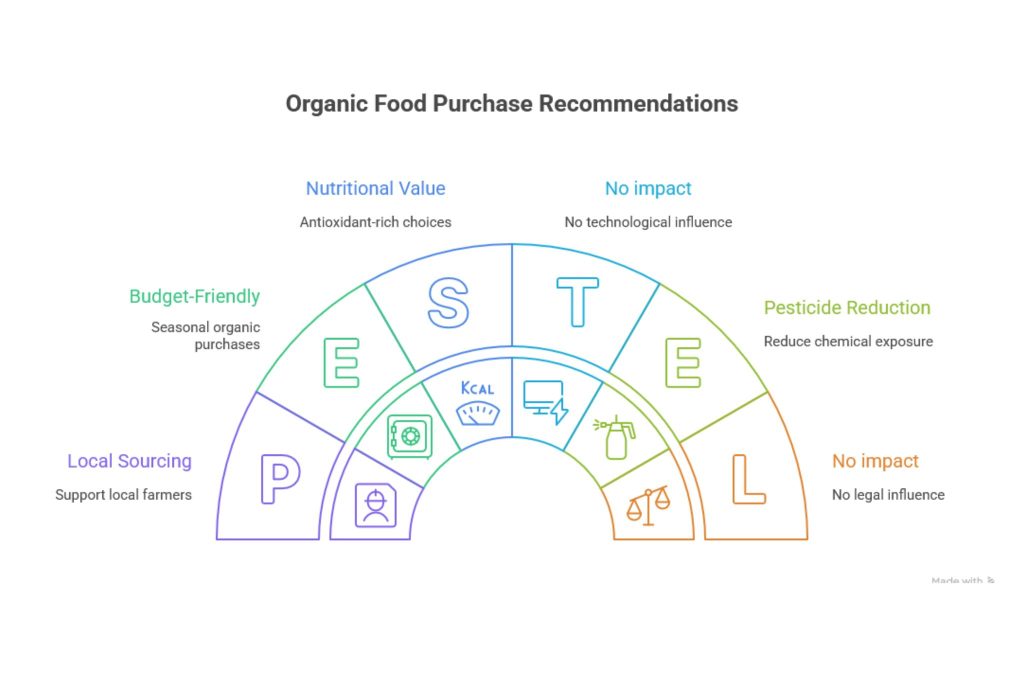
Organic Purchasing Checklist
| Priority | Recommendation | Reasoning |
| High-Pesticide Fruits & Vegetables | Strawberries, apples, spinach | High pesticide residue; organic reduces chemical exposure |
| High Nutritional Value | Leafy greens, berries, cruciferous vegetables | Organic may contain more antioxidants and vitamins |
| Budget-Friendly Choices | Buy seasonal or locally-sourced organic | Cost-effective and sustainable |
| Frequency of Purchase | Frequently eaten items | Invest in organic for foods consumed regularly |
Key Tip: Providing clients with a clear cost-benefit analysis helps them make informed decisions on organic food purchases.
Practical Tips for Clients
- Prioritize Wisely: Focus on foods with the highest pesticide risk first.
- Compare Nutrition: Evaluate the nutrient differences between organic and conventional products.
- Consider Budget: Help clients select organic items that fit their financial plan without compromising health.
- Educate on Sustainability: Explain how choosing organic supports environmental practices and sustainable agriculture.
Example Chart – Organic vs Conventional Produce
| Food Type | Pesticide Residue (Conventional) | Pesticide Residue (Organic) |
| Strawberries | High | Low |
| Apples | High | Low |
| Spinach | High | Low |
| Carrots | Medium | Low |
Watch Our Educational Movie – Nutrition Insights for Online Learners and Enterprises
For online learners, having access to visual educational resources such as documentaries, films, and interactive videos can greatly enhance understanding and retention of core nutrition concepts. While traditional textbooks provide detailed information, multimedia resources allow students to see real-life applications of nutrition principles, making learning more practical and engaging.
Nutrition programs that include movies or visual case studies often cover topics like meal planning, dietary interventions, food science experiments, and patient nutrition counseling. Watching these materials helps students connect theory with practice, especially when exploring complex topics like metabolic pathways, nutrient absorption, or dietary modifications for medical conditions.
Key Takeaway: Incorporating multimedia content into your learning routine increases comprehension, promotes critical thinking, and prepares students for real-world nutrition challenges.
Benefits of Using Educational Movies in Nutrition Programs
| Benefit | Description | Example |
| Enhanced Understanding | Complex topics become easier to grasp | Visualizing digestion and nutrient absorption |
| Better Retention | Students remember concepts longer | Interactive video on macronutrients |
| Practical Application | Shows real-life nutrition scenarios | Meal prep for diabetic patients |
| Engagement & Motivation | Keeps learners interested | Documentary on global healthy diets |
| Career Preparation | Exposure to professional practices | Behind-the-scenes in dietitian clinics |
FAQ Section
FAQ 1: What are the best online nutrition schools for career growth and high ROI?
The best online nutrition schools for career growth and high ROI offer accredited programs that are aligned with industry standards. They provide comprehensive training in areas such as dietetics, food science, and nutrition therapy. Programs like those offered by the University of California, Berkeley, and the University of Toronto are among the top choices. These schools have strong reputations, offer robust internship opportunities, and provide valuable career support to graduates.
FAQ 2: How much does it cost to attend top online nutrition schools in the USA, UK, Canada, and Australia?
The cost of attending online nutrition schools varies depending on the institution and location. On average, tuition fees range from $10,000 to $30,000 per year for a bachelor’s or master’s degree in nutrition. In the USA, institutions like New York University charge higher tuition, while schools in Canada and Australia tend to have slightly lower fees. Scholarships and financial aid may be available, so it’s worth exploring options.
FAQ 3: Which accredited online nutrition programs offer the best career conversion opportunities?
Accredited programs from schools like Purdue University and the University of Phoenix offer excellent career conversion opportunities. These programs focus on practical applications of nutrition knowledge and provide access to extensive career services, internships, and networking opportunities. Graduates often secure jobs in public health, clinical nutrition, and corporate wellness.
FAQ 4: What jobs can I get after graduating from an online nutrition school?
Graduates from online nutrition schools can pursue a wide range of careers, including clinical nutritionist, dietitian, public health nutritionist, food policy advisor, and wellness coach. Many also work in the food industry, health and wellness companies, or in government health agencies. Some graduates opt for private practice or freelance work.
FAQ 5: Is attending an online nutrition school worth it for ROI and career advancement?
Attending an online nutrition school can provide an excellent return on investment (ROI) and career advancement opportunities, especially in Tier One markets like the USA, UK, Canada, and Australia. With increasing demand for nutrition professionals, graduates can secure well-paying jobs in diverse industries, from healthcare to food policy. Additionally, the flexibility of online programs allows students to balance work and study.
FAQ 6: How does one compare online nutrition schools for quality, cost, and ROI?
When comparing online nutrition schools, consider factors like accreditation, curriculum, career support services, and internship opportunities. Quality programs will have strong industry connections and a comprehensive curriculum that prepares students for the workforce. Cost should be weighed against the potential career opportunities and earning potential post-graduation.
FAQ 7: What is the admission checklist for top online nutrition schools in Tier One countries?
The admission checklist typically includes a completed application form, proof of prior education (high school diploma or bachelor’s degree), transcripts, letters of recommendation, a personal statement, and possibly an interview. Some schools may also require specific prerequisites like courses in biology, chemistry, or psychology.
FAQ 8: Do online nutrition programs include internships or practical training for job readiness?
Yes, many top online nutrition programs include internships or practical training to ensure that students are job-ready. These experiences are valuable for building a professional network and gaining real-world experience. Internships can be completed remotely or at affiliated clinics, hospitals, or nutrition organizations.
FAQ 9: Which online nutrition schools offer scholarships or tuition savings for international students?
Several online nutrition schools offer scholarships or tuition discounts for international students. Institutions like the University of Toronto and the University of Sydney provide financial aid packages for international applicants. Additionally, many schools partner with external organizations to offer scholarships based on academic merit, financial need, or specific research interests.
FAQ 10: What industries are hiring graduates from online nutrition schools in the USA, UK, Canada, and Australia?
Graduates from online nutrition schools find employment in various industries, including healthcare, public health, food manufacturing, wellness, and education. Common employers include hospitals, health and fitness centers, wellness companies, government health agencies, and nonprofit organizations. Additionally, graduates may work in research, policy development, or private consulting.